Why Community Branding Fails When Culture Is Overlooked
City branding is often misunderstood. Many people assume it is about designing a logo, writing a slogan, or launching a marketing campaign. But when we look closely at successful cities, we see that branding goes much deeper than visuals. It reflects how a city understands its own culture, identity, and community.
In diverse countries like Canada, this becomes even more important. Cities such as Toronto are shaped by layers of migration, Indigenous history, and creative communities. According to the City of Toronto, Toronto is one of the most multicultural cities in the world, with over half of its residents born outside Canada.
Yet despite this diversity, many community branding projects struggle. Through my experience in brand strategy and design, I often see three common mistakes that weaken city branding efforts.
1. Ignoring the Cultural Mosaic
A “one-size-fits-all” identity rarely represents a diverse city. When branding focuses only on being “modern,” “tech-driven,” or “global,” it can unintentionally erase the cultural stories that make the city unique. Canada’s cities thrive because of their diversity. Strong branding acknowledges this mosaic rather than flattening it.
Organizations like Destination Toronto recognize this. Their storytelling often highlights neighbourhood culture, food, art, and festivals to communicate Toronto’s identity as a city built by many voices.
 2. Surface-Level Symbols
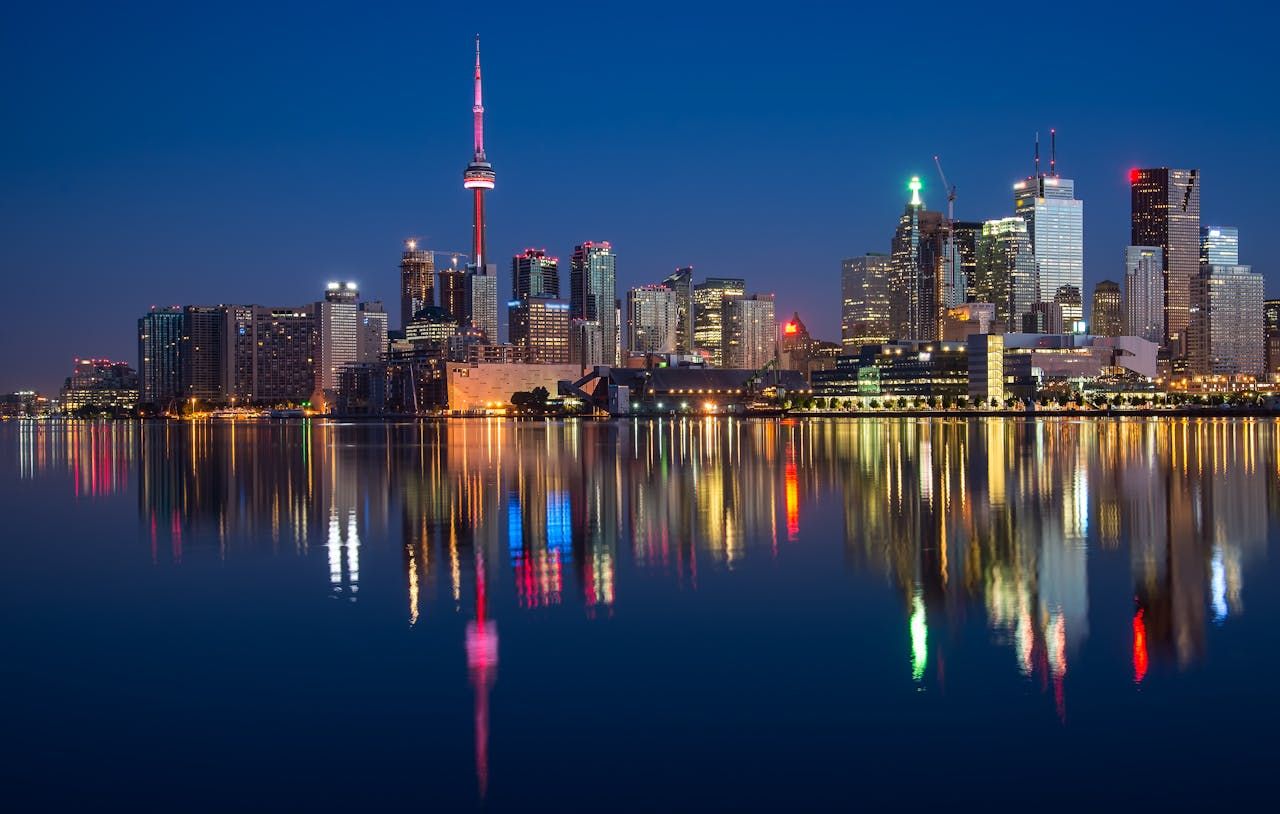
Choosing an iconic skyline or landmark might create quick visual recognition, but without deeper storytelling, it becomes empty symbolism. A neighbourhood is not defined only by buildings; it is defined by the people who shaped it.
For example, Toronto’s Kensington Market represents decades of immigrant entrepreneurship, artistic expression, and cultural exchange. The neighbourhood’s identity comes from its community history, not just its appearance.
3. Lack of Community Voice
Another challenge occurs when branding strategies are developed behind closed doors. City identity cannot be designed solely within municipal departments or marketing teams. Authentic brands emerge when residents, artists, entrepreneurs, and community leaders participate in shaping the narrative.
When people feel represented in a city’s story, branding becomes something residents proudly carry forward rather than something imposed from above.
Ultimately, community branding is not decoration; it is representation. When culture is included, branding becomes a shared story that reflects the city’s past, present, and future.
What Canadian city do you think has built a strong brand identity, and why? Share your thoughts in the comments.