Fixed Identity: The Anchor of Successful City Branding
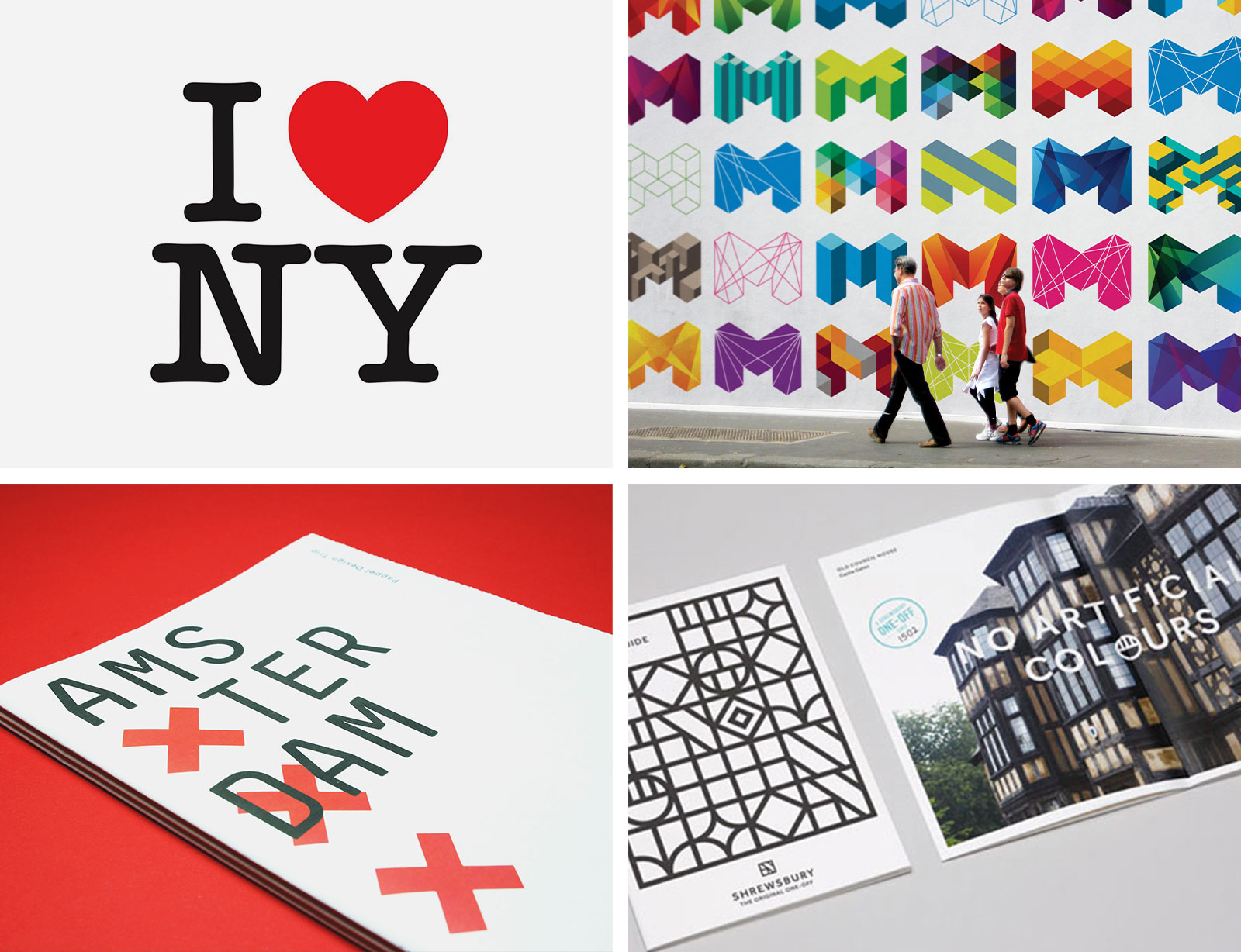
When discussing dynamic branding for cities, it is easy to focus on change, innovation, and adaptability. Cities evolve constantly. New communities arrive, economies shift, neighbourhoods transform, and cultural landscapes expand. Because of this, many modern city branding strategies emphasize flexibility and dynamic design systems.
However, there is an important truth behind every successful city brand: a city cannot evolve without a strong foundation.
That foundation is what I call Fixed Identity, the core elements that remain constant even as the city grows and adapts.
What Is Fixed Identity?
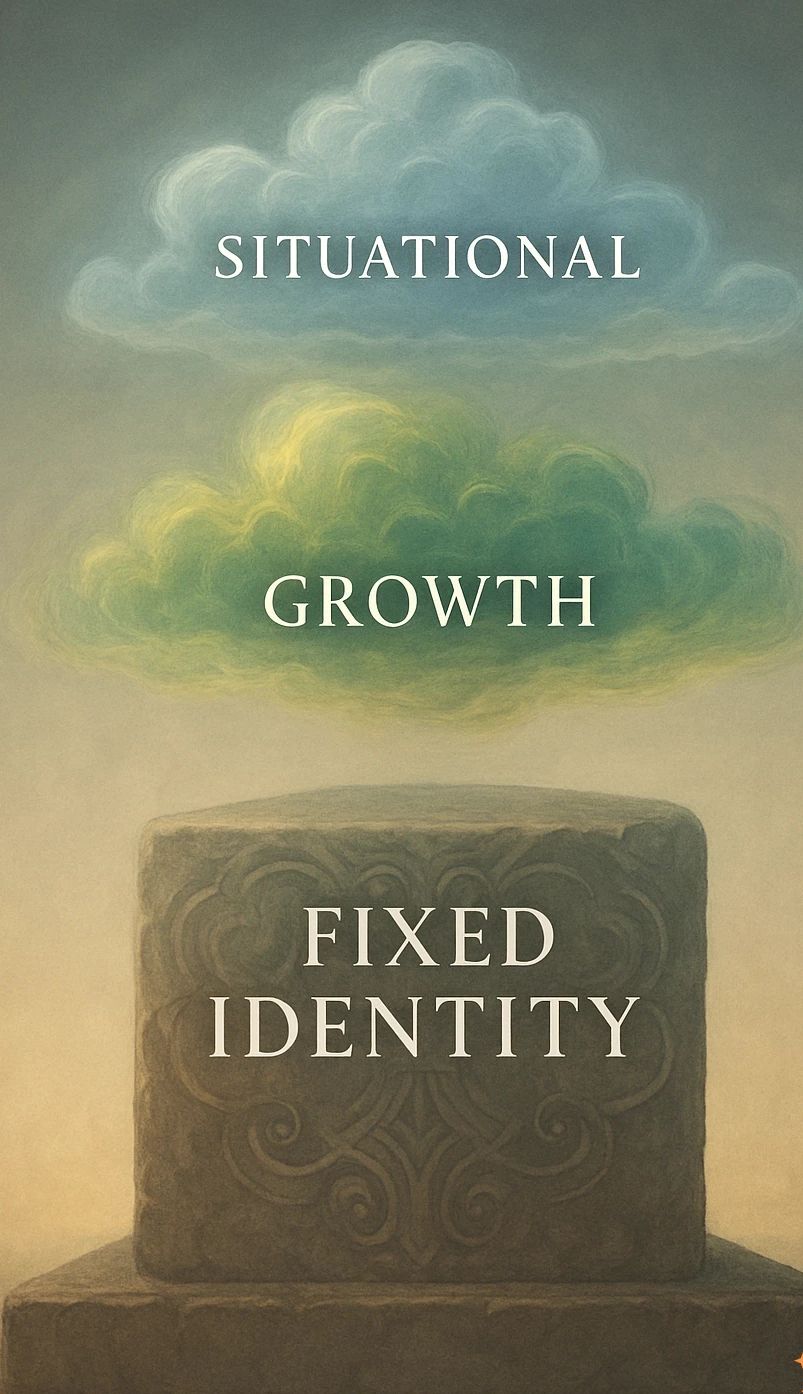
Fixed identity is the DNA of a city’s brand. It represents the elements that do not change over time, even as campaigns, visual styles, or development strategies evolve.
These core elements often include:
Heritage and History
A city’s historical roots shape its identity. In Canada, this includes Indigenous heritage, immigration stories, and defining moments in civic development. For example, Canada’s capital city reflects its political and diplomatic role. The official website of the City of Ottawa highlights its function as the centre of Canada’s federal government and national institutions.
Civic Values
Cities are also defined by the principles they represent. Toronto, for instance, is widely recognized as one of the most multicultural cities in the world. According to the City of Toronto, the city celebrates diversity, inclusion, and opportunity as key values that shape its identity.
Vision and Purpose
Every city has a long-
term direction that influences how it grows. In Quebec City, heritage preservation and Francophone culture are central elements of its identity. Tourism initiatives from Québec City Tourismemphasize its historic architecture and French cultural heritage as defining features.
Why Fixed Identity Matters
Without a fixed identity, city branding risks becoming superficial, just slogans, logos, and short-lived marketing campaigns. A strong core ensures that every initiative, whether it is a cultural festival, tourism campaign, or urban development project, connects back to something authentic.
Dynamic branding systems allow cities to adapt visually and culturally. But the Fixed Identity is the anchor that keeps those changes grounded in a consistent story.
Cities that understand this balance can evolve while maintaining authenticity, trust, and continuity.
Ultimately, a city’s brand is not defined only by design; it is shaped by the people, values, and history that give it meaning.
If you had to describe your city’s Fixed Identity in just three words, what would they be? Share your thoughts in the comments.
If you had to describe your city’s Fixed Identity in just three words, what would they be? Share your thoughts in the comments.