As brand managers, we understand that strategy is not only about responding to today’s market but also about preparing for the future. The integration of artificial intelligence into branding, especially through frameworks like the Alport-Moghaddam system, allows us to build brands that are not only recognizable but also resilient and adaptable.
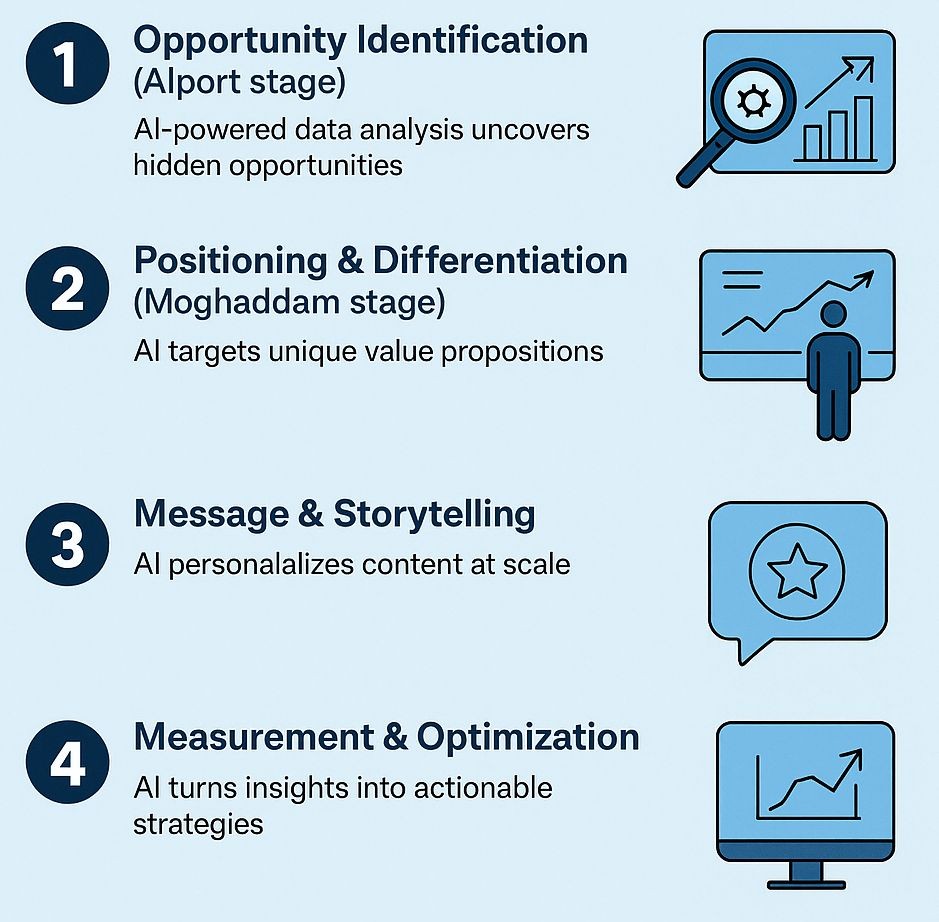
AI is transforming every stage of branding strategy. In the opportunity identification stage, AI-powered tools help uncover hidden audience segments, cultural trends, and unmet needs. In positioning and differentiation, machine learning supports more precise decisions and stronger value propositions. AI also enhances storytelling by enabling personalized content that connects with audiences while maintaining authenticity.
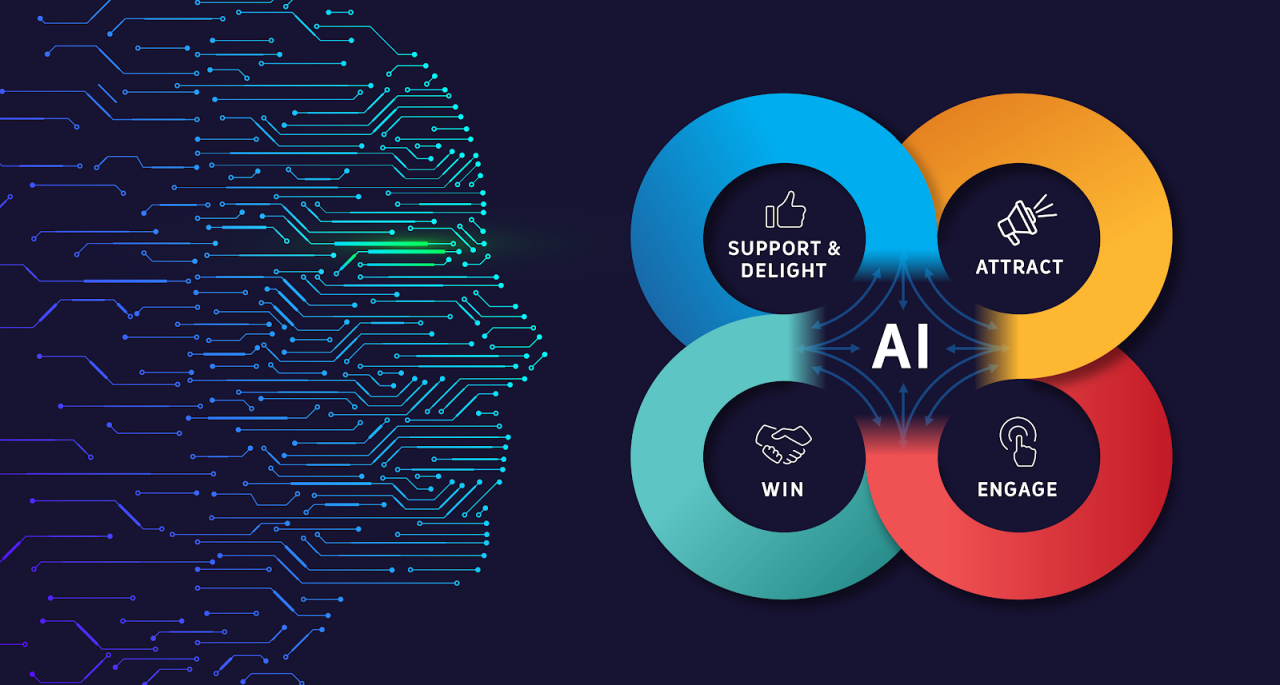
In terms of experience, AI-driven systems such as chatbots and recommendation engines create more interactive and human-centered brand interactions. At the same time, real-time analytics allow continuous measurement and improvement, helping brands stay relevant in a fast-changing environment.
However, AI should not replace creativity. It should extend human imagination, support brand purpose, and ensure cultural relevance. The most successful brands will treat AI as both a strategic partner and a creative catalyst.
Social Media Policy
This blog is a space for respectful and professional discussion. Different perspectives are welcome, but comments must remain constructive and relevant to the topic. Offensive, misleading, or inappropriate content will be moderated or removed. I aim to respond thoughtfully to questions and feedback while maintaining a positive and inclusive environment. This ensures that conversations remain meaningful and valuable for all readers.
How are you using AI to strengthen your brand strategy and stay ahead of change? Share your experience in the comments.