
I belong to two worlds that are supposed to be at war: I paint in the language of Orphism and Cubism, and I design brand identities for a living. Generative AI has crashed into both at once. The honest truth is that it has made parts of my design work faster, and parts of my art more precious.
The market reflects this split. According to research on AI-powered brand design, generative AI in design has already grown into a multi-billion-dollar category and is projected to keep climbing steeply as teams automate asset creation and channel variants. But the more interesting signal is the counter-trend: as AI visuals get more polished, design studios report that brands are deliberately reaching for visible human nuance, the wobble, the texture, the imperfect mark, as a signal of authenticity.
Designers I admire describe the same paradox. The best brand identities of 2026, one studio argues, don’t look AI-generated at all; they look more human than ever, because automation handles the mechanical exploration and frees designers to refine the details that create emotional connection. The 2026 branding and design trends agree, AI is pushing visuals toward surreal, emotional, curiosity-driven territory, while strategy turns back toward trust and meaning.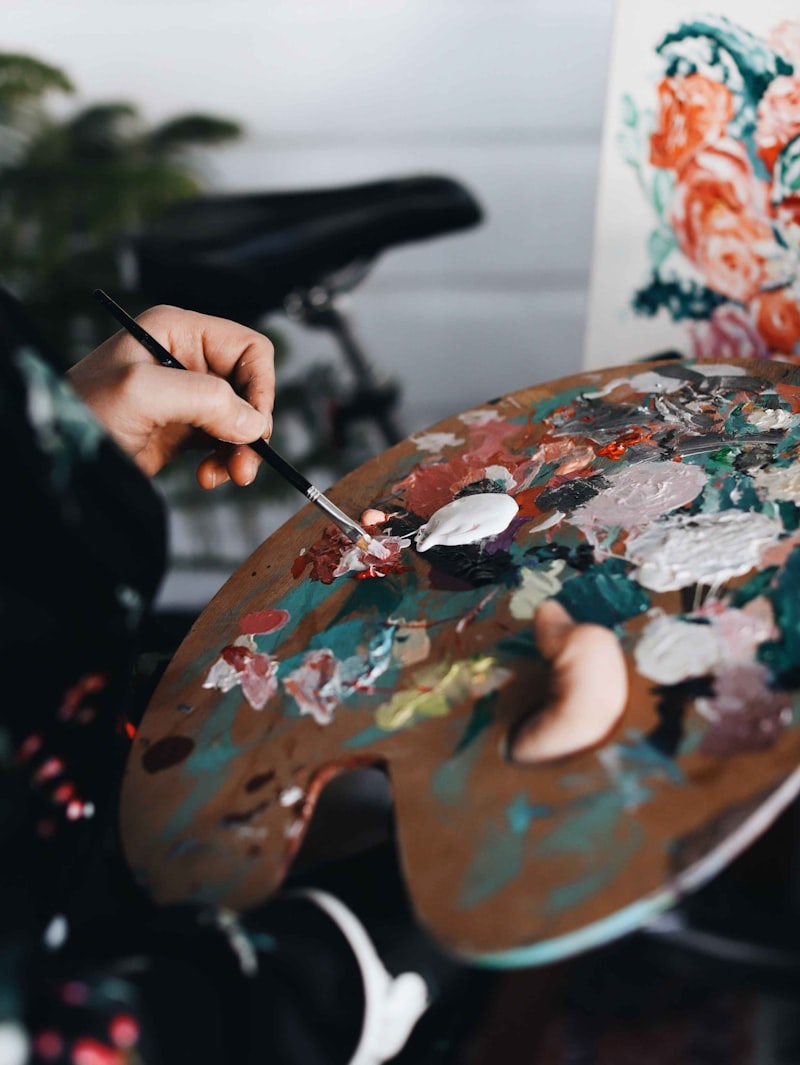
This is where my Creator instinct settles. A prompt is a wonderful sketch tool and a terrible signature. When I build a brand system, I now let AI rough out fifty directions, then I throw out forty-nine and bring the survivor back to something only a human eye would choose. The Cubist in me likes that: take the object apart, keep the one fragment that carries the soul.
There’s a Sufi image I keep close: the reed flute makes its music because it was cut and hollowed by hand. Generative tools can imitate the song. They can’t live the cut. My paintings gallery, you can see them there, are the cut. The brand work is where I let the machine help me play faster.
I’ll add one honest caveat, because the Creator in me cares about it: provenance. When I use a generative tool in client work, I treat its output as raw clay, never a finished vessel, and I keep the human decisions documented so the brand owns a defensible identity rather than a borrowed one. In my own paintings I don’t use generative output at all, the value there is precisely that a hand made every mark, every fracture of colour. Knowing which mode you’re in, and being transparent about it, is fast becoming part of a designer’s integrity.
So no, I won’t pretend the brushstroke and the prompt are enemies. They’re collaborators with very different jobs. The prompt explores. The hand decides. And the deciding, that’s still the whole art.