Think about the last brand that stopped you mid-scroll. Chances are, it did not just have a good logo, it had a feeling. That feeling is where art and branding meet. And in 2026, AI is changing how that meeting happens, faster, louder, and with more creative possibility than ever before.
For designers and creative strategists, this shift is not a threat. It is an invitation. AI is becoming the new creative collaborator, one that can generate visual directions, suggest color palettes, and scale brand assets in seconds. But it cannot replace the human instinct that decides which direction is truly right.
Art as the language of branding
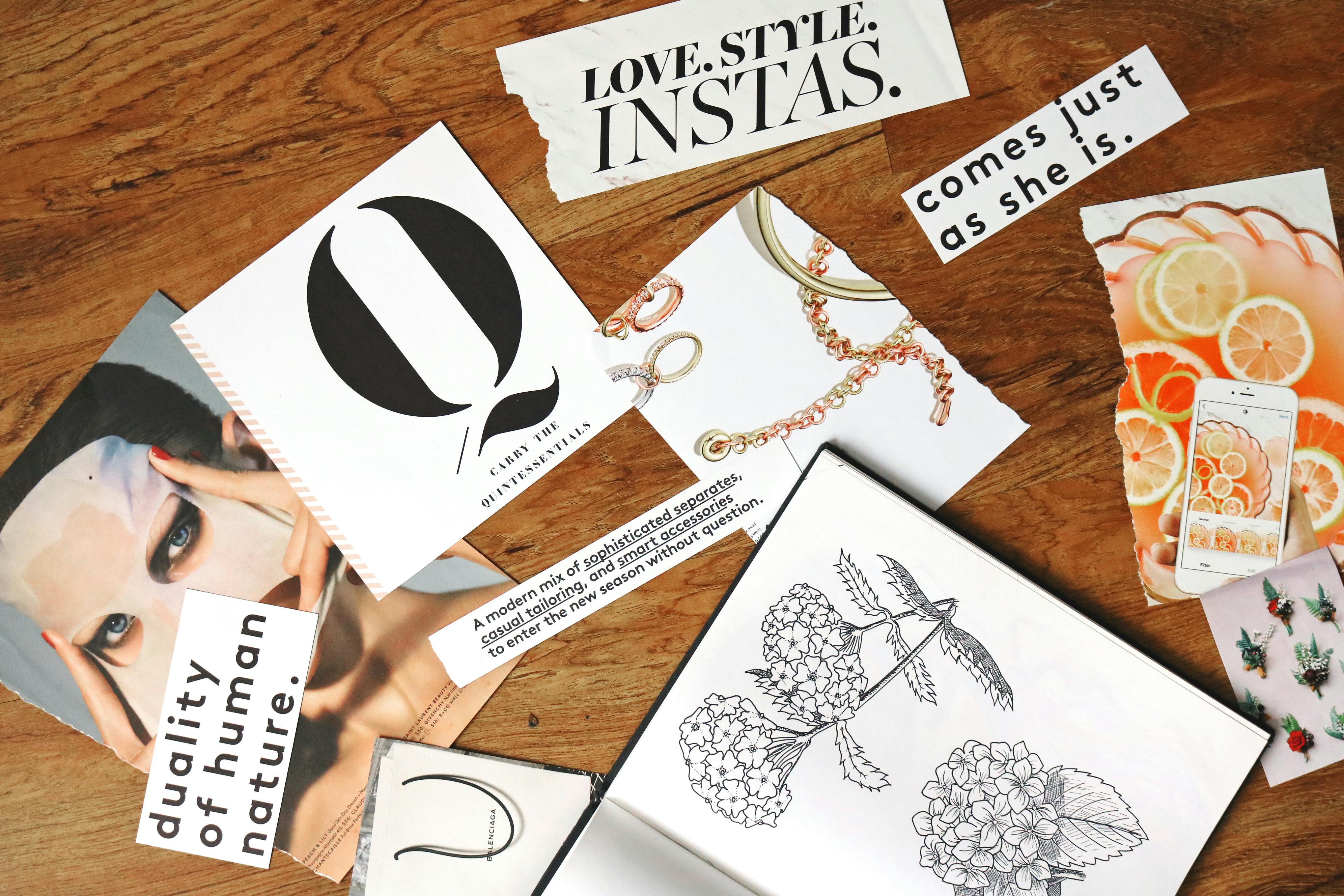
Every strong brand borrows from art. Color theory, visual rhythm, symbolism, negative space, these are artistic principles that designers bring into brand systems every day. When a startup chooses a warm coral over cold blue, that is not a random decision. It is an emotional one, rooted in artistic understanding. Art teaches us how people feel before they think.
This is why branding without artistic vision often feels flat. You can have a clear strategy and a sharp value proposition, but if the visual language does not carry emotion, the brand will not be remembered. Creative Bloq’s 2026 design trends report confirms this shift: audiences now expect visuals that “react, evolve, and feel alive”, a standard that demands artistic depth, not just design efficiency.
This is something I have explored in my own creative practice. In an earlier post on Orphism and color in visual branding, I wrote about how the Orphist painters, like Robert Delaunay, understood that pure colour could carry meaning without a single word. That principle translates directly into modern brand identity work.
AI as a creative partner, not a replacement
Tools like Adobe Firefly, Midjourney, and Canva AI are reshaping how brand visuals are made. A campaign that once took six weeks to produce can now take two. But here is what is easy to miss: the brands winning with AI are the ones using it to amplify their artistic vision, not replace it.
Ogilvy used Adobe Firefly for IBM’s campaign and cut character design time from 15 days to 2. Coca-Cola invited fans to co-create AI art using brand assets. These are not stories about AI doing the creative work, they are stories about humans using AI to do more of it, faster. According to NoGood’s AI design strategy guide, designers are shifting from pixel-pushers to curators and strategists, a role that requires stronger artistic judgment, not less.
The Wired deep-dive on generativeAI and brand identity puts it well: the question is no longer whether AI belongs in the creative process, but how much human direction it needs to produce something worth remembering.
If you want to understand how leading agencies are structuring this collaboration, I also recommend reading my earlier post on how branding studios in Canada are integrating AI tools, the shift is already visible in Toronto’s design community.
The human edge: authenticity
What AI cannot generate is authenticity. A brand built on a genuine artistic point of view, one that comes from a real person’s way of seeing the world, will always stand apart from one assembled by prompts alone. This is the creative strategist’s greatest advantage right now.
If you work at the intersection of art, branding, and emerging technology, you are not competing with AI. You are the one guiding it. Your eye, your cultural knowledge, your sense of what is beautiful and what is true, those are the inputs that make AI output meaningful.
The future of branding is not AI versus humans. It is AI plus human artistic intelligence. And the designers who understand both will shape the most unforgettable brands of the next decade. For a broader look at where the industry is heading, Fast Company’s feature on AI and the future of design is worth reading in full.