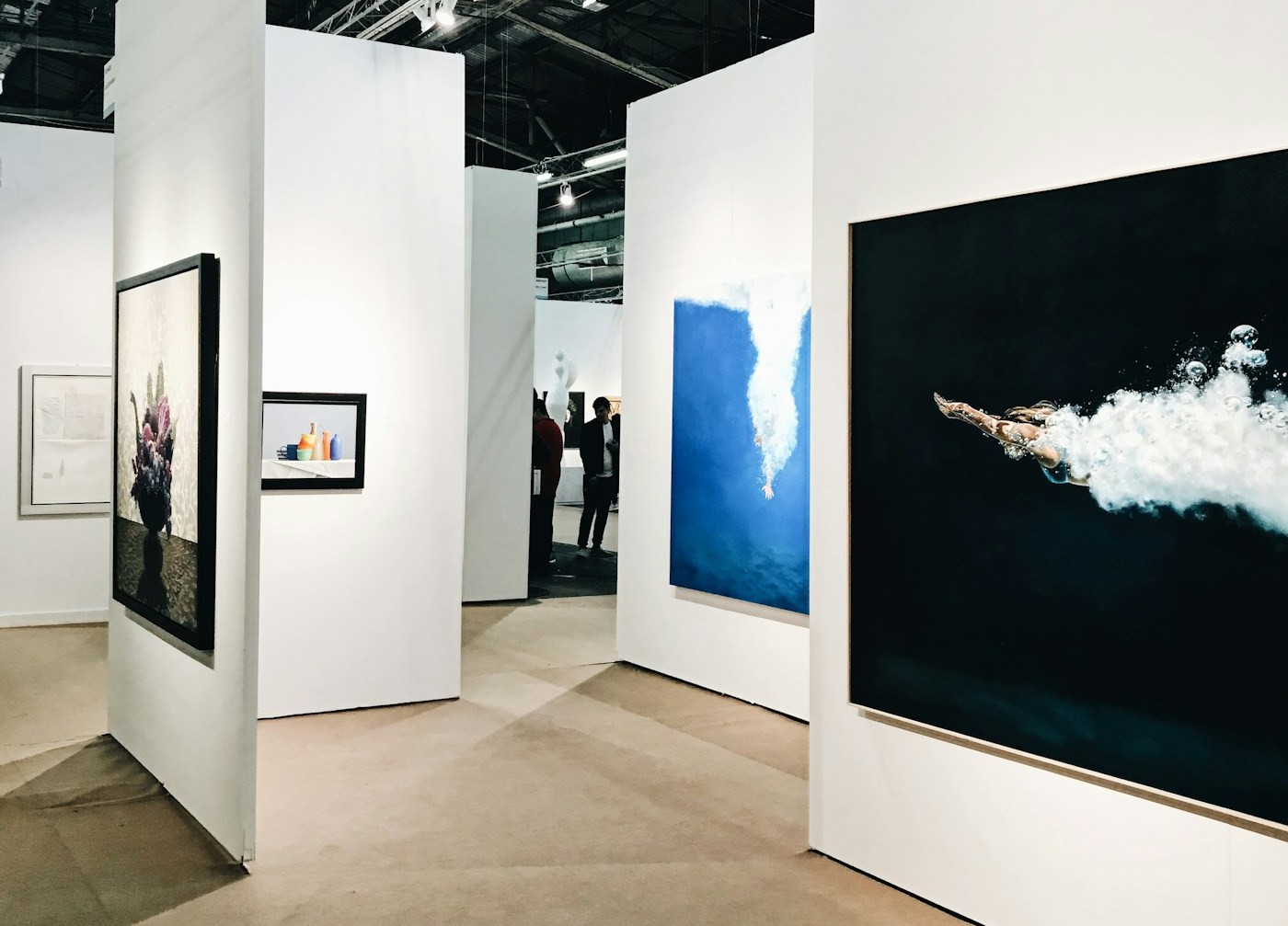
The model grew out of a simple conviction: brands, like people, have personalities, and the strongest ones connect through emotion rather than information. For years, “emotion at scale” was an aspiration with rough tools. Now AI is turning it into a measurable practice, and that deserves both excitement and caution.
Consider where creative direction is heading. Some agencies now practice what they call emotional design and AI creative direction, analysing how colour, composition, and geometry correlate with feeling, and even predicting a visual’s emotional impact before launch. Writing on AI in brand experience design describes AI turning research from an occasional survey into a continuous feedback loop, replacing static personas with behaviour models that evolve in real time. Emotion, once the softest part of branding, is becoming the most instrumented.
The forecasters frame the stakes well. The 2026 branding trends note that as AI increasingly mediates the choices people make, brands are being pushed to rethink not just how they market but why they exist and how they feel. That sentence could be the thesis of my entire framework. And Spinta Digital traces the same shift in how brands approach emotional resonance in the algorithm age.
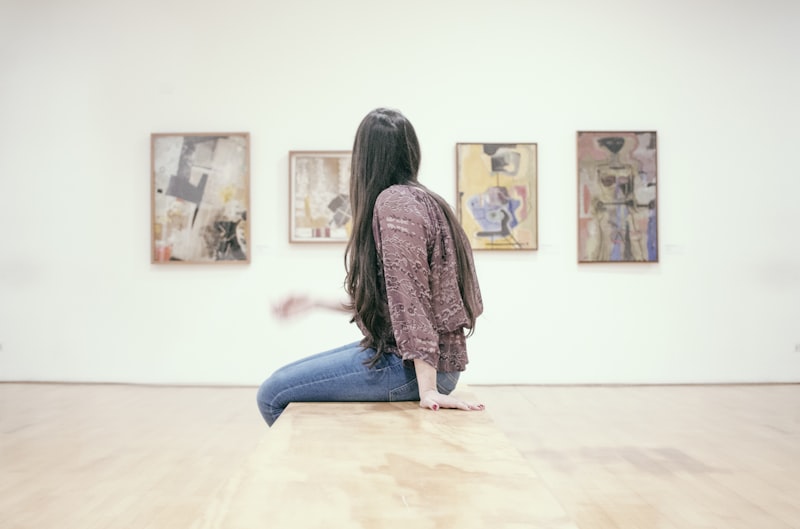
But here’s my warning as the model’s author. Measuring emotion is not the same as deserving it. An algorithm can tell you that a warm horizon outperforms a cool one. It cannot tell you whether your brand has earned the right to make that promise. The Allport–Moghaddam model insists that emotional resonance must sit on top of genuine identity, perception aligned with truth, not perception manufactured against it. I unpacked this foundation in my Brand Strategy Model, and tested it at city scale in AI Meets City Branding.
So I treat AI as an extraordinary tuning instrument, never the composer. It helps me listen to how an audience feels, faster and more honestly than a focus group ever could. Then the human work begins: choosing which feeling is true to the brand, and refusing the ones that would be a lie told beautifully. As I keep returning to in Where Art Meets Branding in the Age of AI, the tool is only as honest as the hand that holds it.
In practice, this changes my workflow more than my philosophy. Before AI, I read a brand’s emotional landscape through interviews and intuition, then guessed at colour and form. Now I can test those guesses against real signal and watch where feeling actually lands, which is humbling, and often surprising. But I hold one rule above the dashboard: emotion that isn’t rooted in the brand’s truth eventually curdles into distrust.
A Persian carpet earns its beauty over decades because every knot is real. A brand earns affection the same slow way, and no model can shortcut that patience for you.
Feeling at scale is finally possible. Whether it becomes manipulation or meaning depends entirely on the person holding the dashboard. I’d rather build brands people trust in ten years than brands that merely test well this quarter.