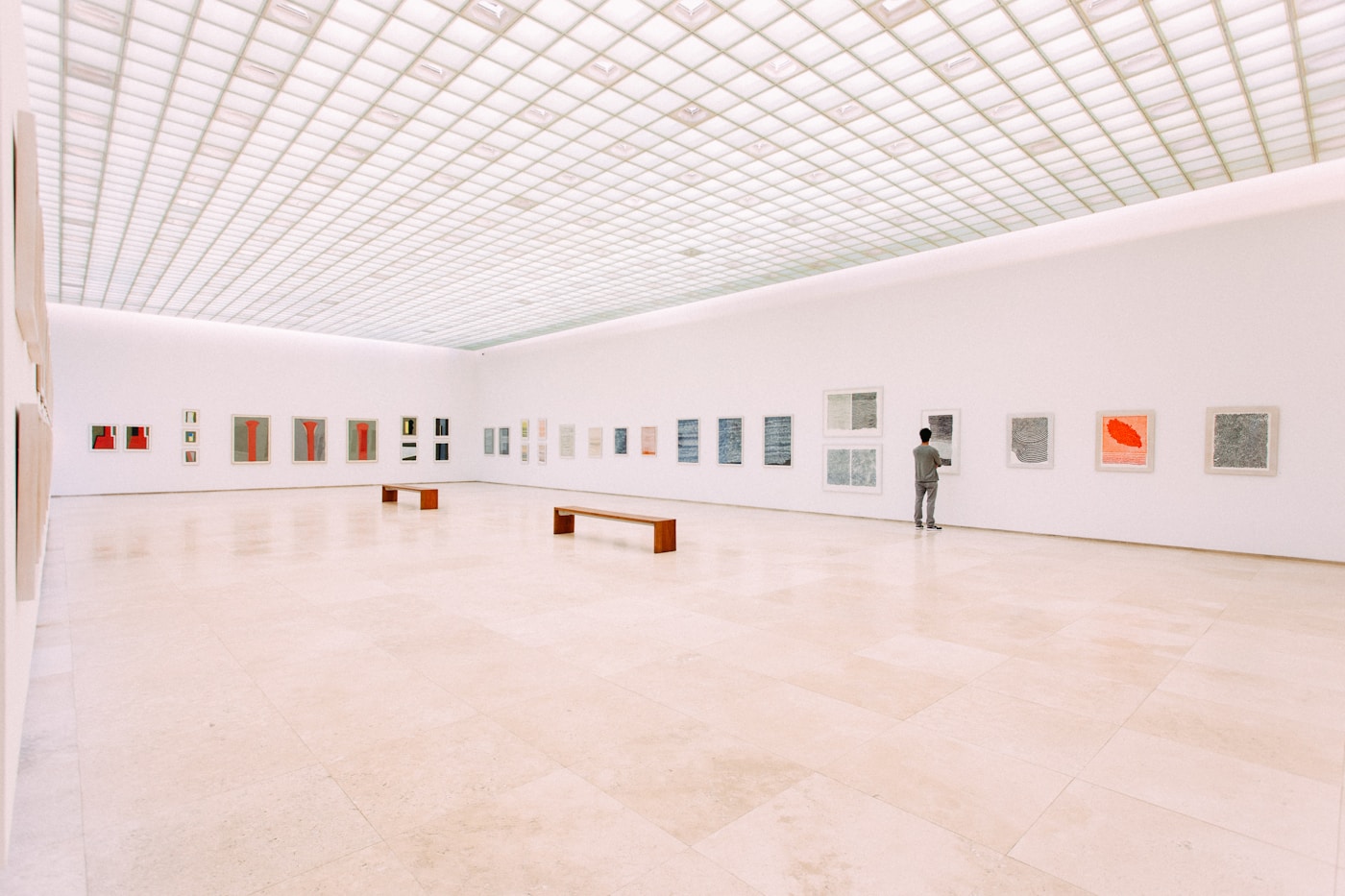
Collecting was never only about objects. It’s about identity, memory, and belonging, the quiet wish to hold a piece of meaning in our hands. What’s new is that the art trade can now model that wish. Sellers increasingly talk less about plain demographics and more about psychographics: not just who you are, but what moves you. A useful primer on how AI helps art businesses grow notes that millennials have become a major share of high-net-worth collectors, and that combining behavioural and psychographic data lets sellers predict what someone will fall for next.
And here’s the twist that keeps me grounded as a Creator. While AI is busy predicting taste, collectors themselves remain wary of AI-made art. In a 2026 survey of galleries by Artsy, only a small fraction viewed AI-generated work as a legitimate medium, and a meaningful share reported that collectors actively avoid pieces made with it. The machine can map desire, but desire still bends toward the human hand.
A panel of dealers and forecasters recently tried to predict the art world’s near future, and one prediction landed hardest in their recap of those predictions: as institutions lean on automation, more professionals are breaking away to build independent, human-scale practices. People are not running toward the algorithm. They’re running toward each other.
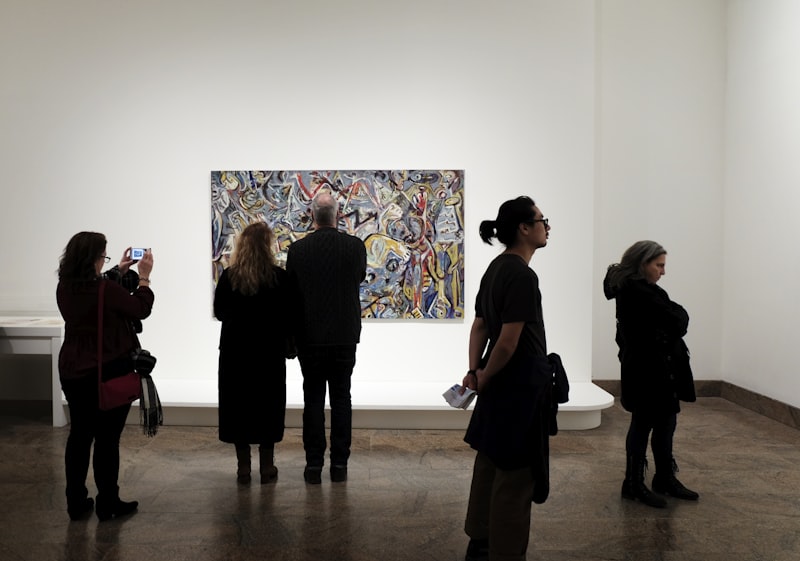
This is why I keep returning to my own work. In my Brand Strategy Model I describe branding as the deliberate shaping of perception around meaning, and collecting is simply perception made personal. AI can tell a gallery that a collector loves cobalt blue and Cubist fragmentation. It cannot tell them why that blue makes someone feel less alone. As I wrote in Where Art Meets Branding in the Age of AI, data describes the what; only a human can hold the why.
There’s a quieter risk hiding in all this prediction. When a system keeps showing collectors more of what they already liked, taste narrows into a loop, the art-market equivalent of a playlist that never surprises you. Yet the most interesting collections I’ve ever seen were built on a leap: a piece that didn’t fit the spreadsheet but fit the person. My own research into why people collect keeps surfacing the same truth, we collect to become someone, not merely to own something.
A child’s shoebox of pressed leaves and a patron’s museum wing obey the same impulse. AI can widen the doorway, helping newcomers discover work they’d never have found alone, but only if we design it to expand taste rather than trap it.
So the collector’s new mind is really two minds working at once: a predictive layer that narrows the field, and a beating heart that makes the final, irrational, beautiful choice. The second one is still ours, and I hope it stays that way. The healthiest future I can imagine isn’t one where the algorithm chooses for us, but one where it clears the noise so the real choosing, the human, meaning-making part, gets easier and braver.