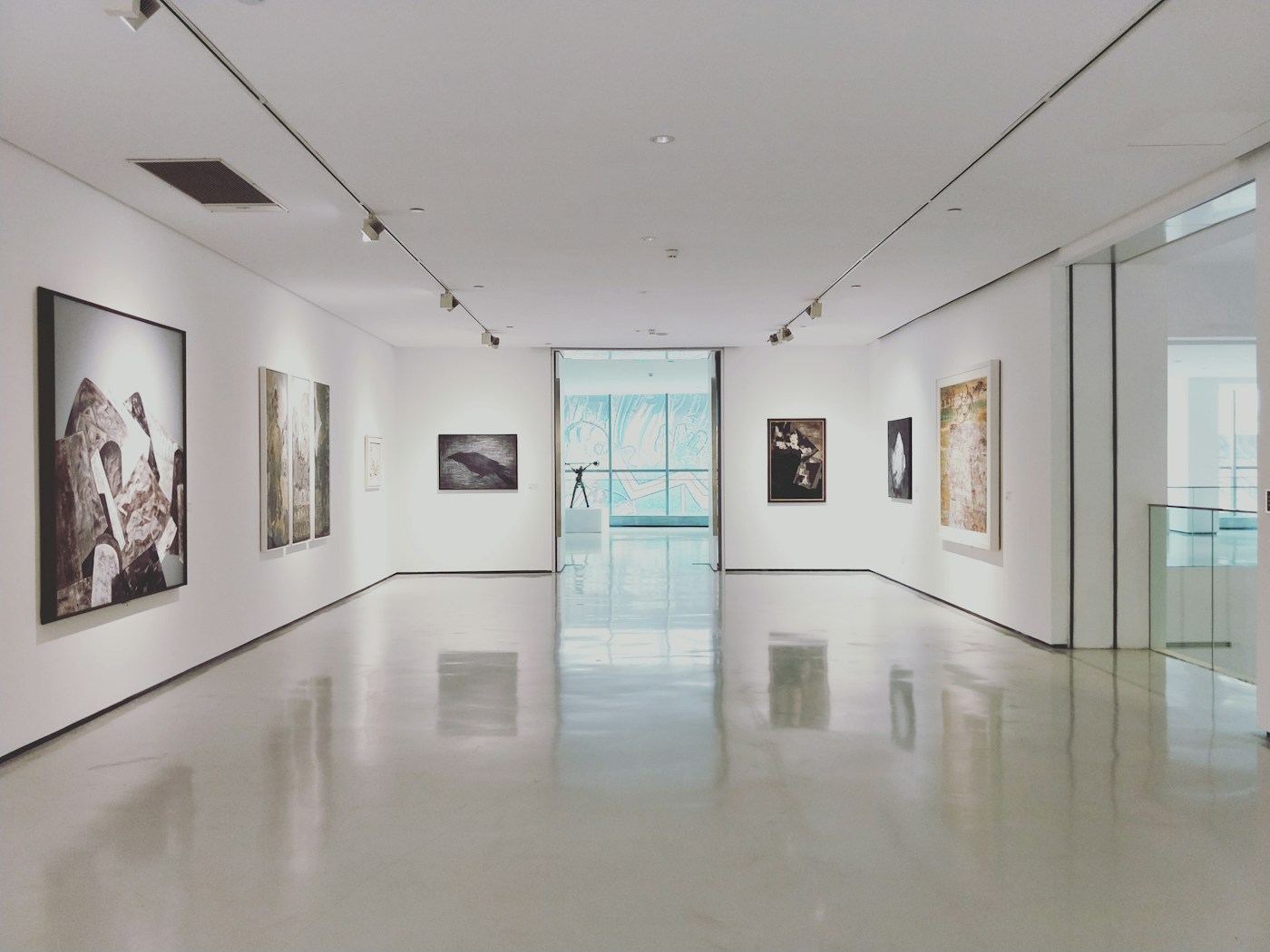
Artificial intelligence has moved into the back office of the art world, and it arrived not as a painter but as an administrator. Dealers increasingly use it to catalogue inventory, draft sales briefs, and read the collector data they once carried in their heads. As one art-world newsletter put it in its look at the art world in 2026, what used to live in a gallerist’s memory now lives in a system that learns.
The clearest framing I’ve read comes from The Art Newspaper, which argues that AI’s real impact on the trade isn’t the images it can generate, it’s the data it can finally organise. Galleries and auction houses can now capture pricing trends, collector behaviour, and sales velocity in a structured, comparable way. Artsy has documented the same drift, tracing how everything from language models to image generators is reshaping how work gets discovered and described.
As someone who both paints and builds brands, I find this thrilling and a little unsettling. The art market built its power on mystique; AI rewards transparency. The behaviour change is subtle but real, the dealer who once trusted a feeling now glances at a probability before quoting a price.
It is also gloriously messy. One industry report found that the large majority of gallery professionals now use AI every day, yet most do so with no data policy at all, quietly feeding private collector notes and taste profiles into public models, as The Art Bystander warns. That isn’t strategy. It’s leakage. As I argued in Where Art Meets Branding in the Age of AI, a powerful tool without a framework just helps you make mistakes faster.
Look closely and you can see the behaviour change in three places. Discovery: instead of waiting for a studio visit, dealers let recommendation engines surface artists who match a buyer’s past purchases. Pricing: gut-set numbers are now sanity-checked against comparable-sales data before anyone picks up the phone. Outreach: the cold, generic newsletter is giving way to messages tuned to each collector’s history. For an artist who shows internationally on platforms like Saatchi Art, that’s double-edged, the same engine that can surface my Orphic canvases to exactly the right collector can also bury them if my titles, tags, and descriptions are thin.
The blunt lesson for artists is this: in an AI-mediated market, how you describe your work has quietly become part of the work.
So what changes for the dealer who wants to stay relevant without losing their soul? The honest answer: let the machine carry the clerical weight, and protect the part no model can fake, the eye, the relationship, the story behind a canvas. In Sufi thought there is a difference between knowledge you are told and dhawq, the direct “taste” you can only live. The dealers who thrive will keep their taste and automate the rest.
AI didn’t replace the art dealer. It made the human parts of the job more valuable, and the lazy parts indefensible.